
 By admin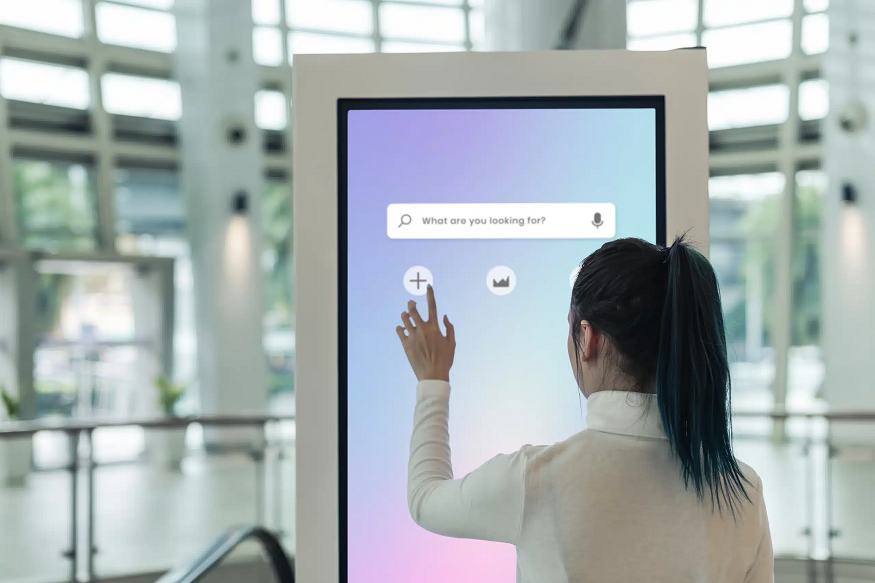
In today’s digital age, businesses are increasingly turning to digital signage systems to enhance their customer experience, promote products, and increase engagement. With so many options available, it can be overwhelming to choose the right system that aligns with your specific needs. Whether you’re running a retail store, a corporate office, or a hospitality business, selecting the ideal digital signage solution is crucial for maximising its potential.
In this article, we’ll break down the essential factors to consider when choosing a digital signage system. We’ll cover the top ten tips to ensure you make an informed decision that will benefit your business in the long run.
1. Define Your Goals and Objectives
Before diving into the technical specifications of digital signage systems, it’s essential to first define the goals of your signage. Are you looking to increase in-store promotions, provide real-time information, or engage employees in an office setting? Understanding your objectives will help you narrow down the features you need.
For example, retail businesses may focus on digital signage for product promotions, while corporate offices may look for solutions to communicate internal messages or display performance metrics. By having a clear vision of what you want to achieve, you’ll be able to select a system tailored to your business needs.
2. Assess the Location and Environment
The environment in which you’ll be using digital signage plays a critical role in your selection. Consider factors such as the location’s size, lighting conditions, and viewer distance. For instance, an outdoor environment will require a rugged digital signage solution with high brightness levels to combat sunlight and weather conditions.
In contrast, an indoor environment may not need as much brightness but could benefit from touch-screen capabilities or interactive features. Additionally, for larger spaces like stadiums or malls, you may need multiple screens connected via a content management system (CMS) to ensure uniformity and coherence in the messages displayed.
3. Content Management System (CMS) Flexibility
One of the most important elements of a digital signage system is its content management platform. A CMS allows you to upload, schedule, and manage content across all connected screens. When evaluating different systems, ensure the CMS is user-friendly, flexible, and scalable.
Some systems offer cloud-based CMS, which can be accessed remotely, while others may have on-premise solutions. Choose a system that aligns with your technical capabilities and offers features such as content scheduling, templates, and multi-user permissions for team collaboration.
Read More: Industrial Power Station vs Traditional Generators in Renovation Projects
4. Display Size and Resolution
The size and resolution of your digital signage screens are critical for achieving the desired impact. For high-traffic areas, larger displays will draw more attention and effectively convey messages. On the other hand, smaller screens may be ideal for specific areas like elevators or lobbies.
In terms of resolution, ensure that the screen offers sufficient clarity for your content. Full HD (1080p) resolution is generally a good standard for most applications, but if you need extremely high-quality visuals for things like digital art or high-end product displays, consider 4K resolution.
5. Screen Durability and Reliability
Durability and reliability are key considerations, particularly for outdoor and high-traffic locations. Look for screens with a proven track record of durability under various environmental conditions. For example, if you are installing your screens outdoors, ensure they are rated for protection against dust, water, and temperature fluctuations (IP65 or higher).
Additionally, choose a system that offers long-term warranties and reliable technical support. You’ll want to avoid unnecessary downtime due to malfunctioning equipment, as this can significantly impact your business operations.
6. Interactive Features and Touchscreens
Interactive digital signage is becoming increasingly popular, especially in retail and educational environments. Touchscreen displays allow customers to interact with content, making them more engaged with your messaging.
Consider whether interactive capabilities like touch functionality, wayfinding, or product selection are important for your signage. For example, an interactive kiosk at a mall or airport can provide visitors with directions, promotions, and other helpful information, adding value to the customer experience.
7. Content Integration and Compatibility
Your digital signage system should easily integrate with other software tools and technologies your business already uses. Whether it’s a point-of-sale system, social media feeds, or video management software, the ability to incorporate multiple content sources into one platform will enhance your workflow.
Check if the signage system supports common file formats, APIs, and integration options that suit your existing technology infrastructure. This will help streamline content updates and ensure smooth operation across various platforms.
Read More: Choosing the Right Digital Signage System for Your Business: A Comprehensive Guide
8. Scalability and Future Growth
Consider how the digital signage system will grow with your business. If you plan to expand to multiple locations or increase the number of screens over time, choose a system that offers scalability.
Cloud-based CMS platforms are often highly scalable, allowing you to add or remove screens as needed. Furthermore, make sure the system you choose can accommodate future advancements in technology, such as higher-resolution displays or advanced interactivity features, without requiring a complete overhaul.
9. Cost and ROI Considerations
Cost is always an important factor when making any business decision. Digital signage systems come in a wide price range, depending on features, display size, and quality. Take into account both initial setup costs and ongoing maintenance expenses.
While the upfront investment can be significant, digital signage can offer an excellent return on investment (ROI) through increased sales, improved customer engagement, and enhanced brand recognition. Make sure to conduct a cost-benefit analysis to ensure the system aligns with your budget and delivers the expected value in the long run.
10.Technical Support and Maintenance
Finally, choose a digital signage provider that offers comprehensive technical support and maintenance services. Even with the best systems in place, issues may arise, and it’s essential to have access to reliable support when needed.
Check if the provider offers 24/7 support, online troubleshooting resources, and on-site repair services if necessary. A strong support system can help minimise downtime and ensure your signage remains functional and effective.
For wider commercial, hospitality, or public-facing projects, small supporting details can make the finished space feel more complete. Composite decking can provide a durable, low-maintenance surface for terraces, entrances, outdoor seating areas, and customer-facing spaces; while hand dryers can support cleaner, more efficient washroom facilities; while traditional signage can add character, direction, and brand presence.
Conclusion
Choosing the right digital signage system for your business involves careful consideration of several factors, from your content needs to the environment in which the system will be used. By following the ten tips outlined above, you’ll be better equipped to select a system that enhances your customer experience, improves brand visibility, and maximises ROI.
Remember to take your time in assessing different options, and don’t hesitate to reach out to vendors for demos or consultations. The right digital signage system can significantly boost your business’s performance and keep you ahead of the competition.