
 By admin
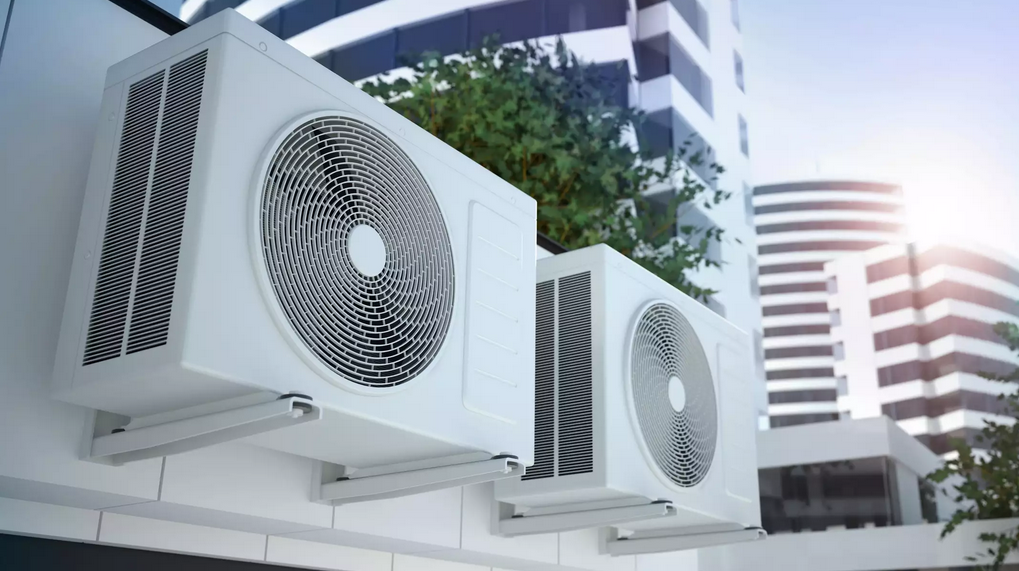
Heating and cooling systems are important for commercial properties. Offices, shops, restaurants, and other business spaces need comfortable indoor conditions for employees, customers, and visitors.
A poorly maintained HVAC system can affect daily operations. Rooms may become too warm, indoor air may feel uncomfortable, and equipment failures can interrupt normal business activities.
Commercial buildings often have different heating and cooling requirements from residential properties. Their systems may operate for longer hours and serve larger spaces with varying occupancy levels.
Understanding these requirements can help business owners make better decisions about HVAC equipment.
Choose Equipment That Matches the Building
Commercial HVAC systems should be selected according to the property’s actual requirements.
Factors such as floor area, ceiling height, insulation, windows, occupancy, lighting, and equipment heat loads all influence heating and cooling needs.
Read More: Moving with Pets: Tips for a Smooth Transition
A system that is too small may struggle to maintain indoor temperatures. An oversized system may cycle frequently and create inconsistent conditions.
A professional load assessment helps determine the appropriate equipment capacity and system design.
Consider Different Areas of the Property
Not every part of a commercial building has the same temperature requirements.
A conference room may become crowded during meetings, while a storage area may remain mostly unoccupied. Restaurants and kitchens also produce different heat loads from ordinary office spaces.
Zoning can help manage these differences. It allows certain areas to receive heating or cooling according to their needs.
The right zoning arrangement depends on the building layout and equipment design.
Make Preventive Maintenance a Priority
Commercial HVAC systems often serve many people throughout the day. A breakdown can affect employees, customers, and business operations.
Preventive maintenance helps identify problems before they become major failures.
Depending on the system, maintenance may include filter replacement, coil inspection, electrical checks, drainage cleaning, and performance testing.
Business owners should maintain a service schedule based on manufacturer recommendations and equipment usage.
Monitor Indoor Air Quality
Indoor air quality matters in workplaces and customer-facing environments.
Dust, odors, excess moisture, and inadequate ventilation can make indoor spaces uncomfortable. These problems may also affect how people experience a business environment.
Commercial properties should have suitable ventilation and filtration arrangements.
Kitchen exhaust systems, bathroom ventilation, and general air circulation all need attention. The requirements may vary according to building type and local regulations.
Think About Operating Costs
Commercial HVAC systems can contribute significantly to building energy expenses.
Business owners should review energy consumption and look for areas where equipment may be operating unnecessarily.
Programmable controls, properly maintained equipment, suitable insulation, and sealed ductwork can support efficient operation.
Read More: Houston Hot Water Heater Repair: Safeguarding Your Plumbing System
Smart controls may also help building managers adjust temperatures according to occupancy and operating schedules.
However, energy improvements should be evaluated carefully. The most suitable solution depends on the building and its current equipment.
Plan for Equipment Replacement
Commercial HVAC equipment represents a major investment. Waiting until a system fails completely can create scheduling and operational challenges.
Keep records of equipment age, repair expenses, maintenance visits, and performance changes.
If the system requires frequent repairs or struggles to maintain comfortable conditions, compare the cost of continued repairs with replacement options.
A replacement project should consider future building needs rather than simply copying the previous system.
Work With Qualified HVAC Professionals
Commercial HVAC systems can involve complex controls, larger equipment, and specialized ventilation requirements.
Business owners should work with qualified technicians who understand the type of system installed in the building.
Ask for clear estimates, maintenance recommendations, and information about warranties before approving major work.
Businesses looking for information about heating and cooling services can visit here.
Final Thoughts
A reliable commercial HVAC system supports a comfortable working environment and smoother business operations.
Proper equipment selection, regular maintenance, good ventilation, and timely repairs can all contribute to better system performance.
Business owners who plan ahead can reduce the chances of unexpected interruptions and make more informed decisions about their building’s heating and cooling needs.